- Understand Flint's Rental Market and Expected Returns
- Evaluate the Neighborhood and Rental Demand
- Account for Flint's Older Housing Stock
- Check Insurance Before You Buy
- Understand Rental Registration and Compliance
- Inspect Before You Invest
- Build a Realistic Cash-Flow Projection
- Decide How the Property Will Be Managed
- Evaluate the Deal Before Making an Offer
- Bottom Line
- Frequently Asked Questions
- Flint can offer attractive rental yields, but investors should calculate net returns after maintenance, vacancy, insurance, taxes, and management costs.
- Rental demand varies by neighborhood, so research comparable rents before buying.
- Flint's older housing stock makes professional inspections and realistic maintenance reserves especially important.
- City rental requirements can affect how quickly a home becomes rent-ready.
- Out-of-state investors should plan for tenant screening, repairs, emergencies, and local oversight.
Flint's relatively affordable home prices can make the city attractive to rental property investors. However, older housing, neighborhood differences, vacancy, repairs, and management costs can quickly change the numbers.
Quality Rental Homes has spent years managing and selling investment properties throughout Genesee County. Whether you're buying locally or from out of state, careful due diligence can help you understand a property's true costs and potential returns.
Understand Flint's Rental Market and Expected Returns
Flint is often attractive to investors looking for cash flow rather than relying primarily on long-term appreciation. Before buying, compare the purchase price with realistic market rent and calculate both gross and net returns.
For example, a $50,000 property renting for $600 per month generates $7,200 in annual gross rent, or a 14.4% gross yield. However, gross yield does not account for expenses.

Your projections should also include:
- Mortgage payments and financing costs.
- Property taxes.
- Landlord insurance.
- Maintenance and repairs.
- Vacancy reserves.
- Property management fees.
- Owner-paid utilities.
- Registration or compliance costs.
A property that looks profitable based on rent alone may produce much less cash flow once these expenses are included.
Evaluate the Neighborhood and Rental Demand
Flint and the surrounding Genesee County area contain distinct rental markets. Properties near Kettering University and the University of Michigan-Flint may attract university-related renters, while other neighborhoods serve more traditional workforce and family tenants.
Nearby communities such as Burton, Grand Blanc, Davison, Fenton, and Flushing also offer different purchase prices, rents, and tenant demographics.
Research comparable rentals in the immediate area, including asking rents, property condition, amenities, and how long similar homes remain available.
For out-of-state buyers, local knowledge is particularly important because rental prospects can vary significantly between neighborhoods.
Account for Flint's Older Housing Stock
Many homes in Flint were built decades ago, making property conditions an important consideration for investors.
Older properties can have aging furnaces, roofs, plumbing, electrical systems, insulation, and other components requiring repairs or replacement. Homes built before 1978 can also involve federal lead-based paint disclosure requirements.
These issues do not necessarily make an older property a poor investment, but they should be reflected in your purchase price and maintenance budget.
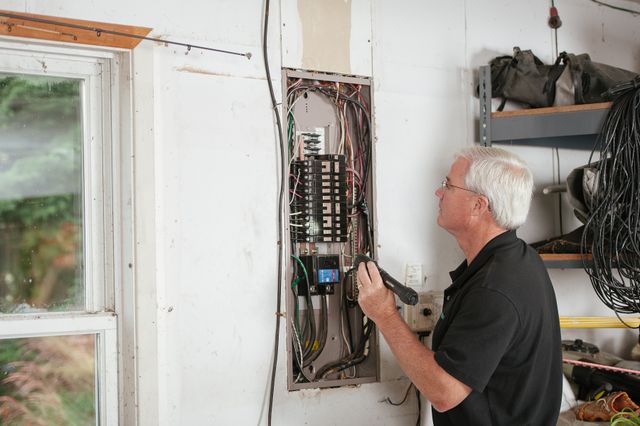
Before closing, hire a professional inspector familiar with older homes and pay particular attention to:
- Furnace and HVAC condition.
- Roof age and remaining life.
- Plumbing materials.
- Electrical systems.
- Basement moisture and foundation concerns.
- Insulation and weatherization.
- Potential lead-based paint concerns.
Out-of-state investors can attend inspections remotely by video and request detailed photographs and reports.
Check Insurance Before You Buy
Landlord insurance should be part of your due diligence rather than something you arrange after closing.
Coverage and premiums can vary depending on the property's age, condition, location, and other risk factors. Request quotes before making a final purchasing decision so the actual premium can be included in your cash-flow projections.
Understand Rental Registration and Compliance
Rental properties within the City of Flint are subject to local registration and compliance requirements. Investors should determine a property's current status before closing and identify outstanding violations or required repairs.
A property that needs significant work before passing an inspection may remain vacant longer than expected, affecting your renovation budget and first-year return.
Requirements can change, so verify current registration, inspection, and disclosure rules with the City of Flint.
Inspect Before You Invest
Skipping a professional inspection can be especially risky with older rental properties.
An inspection can identify deferred maintenance and help estimate what it will cost to make the property rent-ready. If major repairs are needed immediately or systems are nearing the end of their useful life, account for those costs when determining your offer.

A lower purchase price is only valuable if repair needs do not consume the savings.
Build a Realistic Cash-Flow Projection
Before making an offer, build a property-specific cash-flow estimate based on realistic rent and expenses.
Subtract your mortgage, taxes, insurance, management expenses, maintenance reserve, vacancy allowance, and owner-paid costs from expected rent.
Avoid assuming the property will remain occupied every month or that repairs will be minimal. Maintaining reserves gives you room to handle vacancies and unexpected expenses.
Financing also matters. Investment-property loans may require larger down payments and carry different rates and qualification requirements than owner-occupied loans. Compare lenders and incorporate the actual terms into your projections.
Decide How the Property Will Be Managed
Investors also need to decide whether they will self-manage or hire a property manager.
Self-management can reduce fees, but it means taking responsibility for marketing, tenant screening, rent collection, maintenance, emergencies, lease enforcement, and other day-to-day tasks. Those responsibilities become more difficult when you live outside Genesee County.
A local property manager can provide on-the-ground oversight, coordinate repairs, communicate with tenants, and help owners understand local rental conditions. Quality Rental Homes also uses a documented tenant screening process that considers income, rental history, credit, and other applicable qualification criteria.
.jpg "property%20manager%20%283%29")
Consider the value of your time and ability to respond quickly when comparing self-management with professional management.
Evaluate the Deal Before Making an Offer
Before purchasing a Flint investment property, make sure you understand:
- Its realistic market rent.
- Property condition and rent-ready costs.
- Major mechanical and structural issues.
- Insurance availability and cost.
- Rental registration and compliance status.
- Expected vacancy and maintenance expenses.
- Financing costs.
- Projected net monthly cash flow.
Use those numbers to determine what the property is worth as an investment. A low listing price should not outweigh poor rental demand, extensive repairs, or weak projected cash flow.
Bottom Line
Buying investment property in Flint can offer opportunities for rental income, but successful investing requires more than finding an inexpensive house.
Older housing, neighborhood-specific rental demand, property condition, insurance, compliance requirements, and management all affect your return. Thorough inspections and conservative cash-flow projections can help identify those costs before you invest.
Quality Rental Homes has spent more than 40 years working with rental properties throughout Flint and Genesee County. If you're considering a Flint investment property, a realistic rental analysis can help you compare potential income with expected costs.
Frequently Asked Questions
What Should I Look For When Buying A Flint Rental Property?
Consider property conditions, realistic market rent, neighborhood demand, insurance, financing, local rental requirements, and expected maintenance. Focus on projected net cash flow rather than purchase price or gross rent alone.
How Much Should I Budget For Maintenance?
Maintenance needs depend on the property's age and condition. Older homes may require more frequent repairs to furnaces, roofs, plumbing, and electrical systems. Use the inspection report to account for routine maintenance and future replacements.
Do I Need A Property Manager If I Live Out Of State?
Not necessarily, but remote self-management can be difficult. You still need a reliable way to handle tenant communication, repairs, emergencies, rent collection, and other local responsibilities. Professional management can provide local oversight when you cannot respond in person.
How Can I Estimate Rent Before Buying?
Research comparable rentals with similar locations, bedroom counts, sizes, conditions, and amenities. Asking rents provide useful context, while a local rental analysis can help determine realistic demand for a specific property.
